

About
A place to look more closely at how people understand one another.
For more than two decades, my work has centered on communication: helping people express themselves, supporting their right to participate, and finding ways to make sure they are understood.
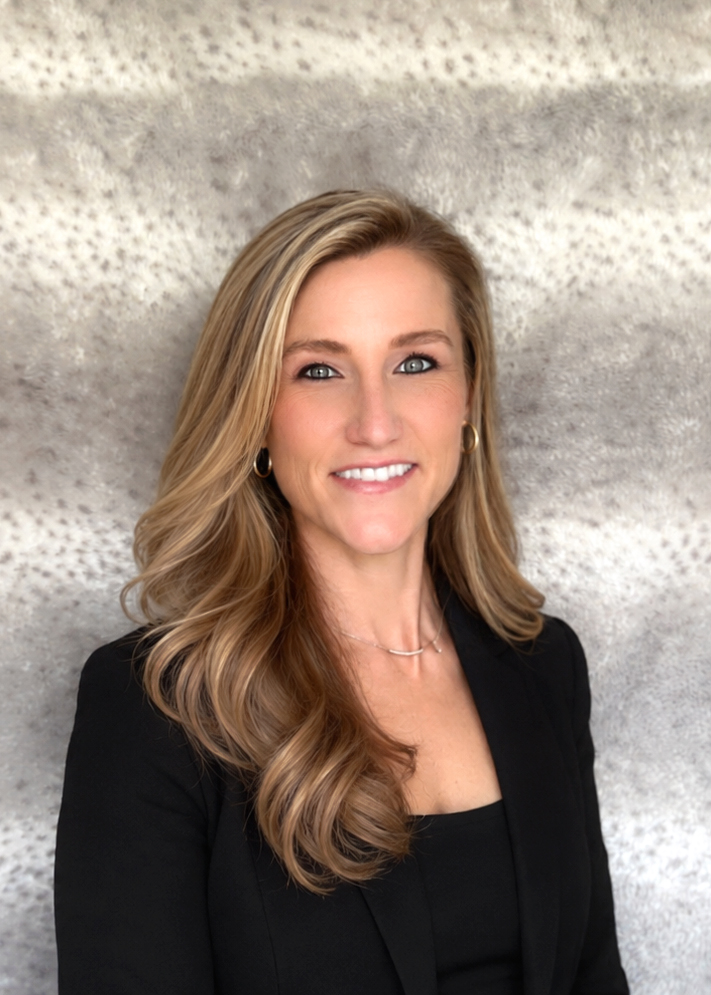
Lori Havens
Founder, Sage & Atlas
I’m a licensed speech-language pathologist, and my work brings together communication, accessibility, special education, professional learning, and organizational practice, including trauma-informed communication and professional development. My perspective is also informed by graduate-level trauma training and doctoral study in leadership.


The questions behind the work
Who gets heard?
Over the years, I’ve worked with people navigating different communication needs, environments, relationships, and expectations. I’ve seen how much it matters to be understood, to have a voice in decisions that affect you, and to feel that your perspective has been taken seriously.
Those experiences have shaped the questions behind Sage & Atlas: Who gets heard? What makes meaningful participation possible? And what happens when someone’s needs, experiences, or perspective are misunderstood, overlooked, or dismissed?
My background spans more than 22 years in speech-language pathology, communication access, professional learning, leadership, and collaboration across educational and community settings. Along the way, I’ve come to understand that communication is about much more than the ability to express an idea. It also depends on whether people have access to the support they need, whether their perspectives are welcomed, and whether the people and systems around them are willing to listen.
Experience that shapes this studio
- Communication and self-advocacy: Supporting people in expressing their needs, preferences, and perspectives in ways that work for them.
- Accessibility and meaningful participation: Recognizing and addressing barriers that keep people from being included, understood, or involved.
- Professional learning and mentorship: Helping professionals build knowledge, reflect on practice, and approach their work with greater understanding.
- Leadership and collaboration: Working across roles, organizations, and community settings to address needs and improve services.
- Systems improvement and resource development: Turning complex information and real-world challenges into practical tools, learning experiences, and opportunities for change.
Trauma and voice
When the difficulty isn’t finding the words
Over time, I became increasingly interested in what happens when the difficulty isn’t finding the words, but figuring out whether it is safe to use them, whether our experiences will be believed, or whether we can trust our own understanding of what happened.
That question extends far beyond any single setting. It belongs in conversations about abuse and betrayal, friendship endings, medical experiences, family relationships, workplaces, and institutions. It also belongs in professional spaces where people are expected to advocate for themselves without always being given the access, support, or power to do so.
Sage & Atlas grew from that intersection: communication and trauma, individual experience and larger systems, the need to find a voice and the responsibility to listen.
What I mean by voice
Voice takes many forms. It may be spoken or written, expressed through words or actions, or reflected in the choice not to engage.
Sometimes finding it means speaking up. Sometimes it means putting an experience into words for the first time, setting a boundary, asking a question, or writing something privately. Sometimes it means recognizing that you do not owe anyone an explanation.
None of it requires confronting anyone, forgiving anyone, or telling your story in public. And sometimes the problem was never how clearly a person spoke. It was whether anyone was listening.
One studio, two connected audiences
For people finding their voices, and for the people and systems that need to listen
For yourself
Reflection, writing, and resources for people making sense of difficult experiences, reconnecting with their own judgment, and exploring boundaries and self-advocacy at their own pace.
Resources for yourselfFor your work
Consulting, professional learning, and resource development for professionals and organizations working on trauma-informed communication, accessibility, participation, and systems that listen.
ConsultingEducation and continued learning
The Background Behind the Work
- Master’s and bachelor’s degrees in Speech-Language Pathology, University of Tennessee
- Doctoral student in Educational Administration and Leadership, University of Oklahoma
- Certified Trauma Professional (CTP)
- Postgraduate Certificate in Trauma Treatment, University of Tennessee College of Social Work
- Universal Design for Learning (UDL) Credential
- Professional development in accessibility, instructional design, and inclusive learning
Sage & Atlas offers educational resources, professional learning, consulting, and resource development. It does not provide psychotherapy, counseling, crisis, legal, or medical services.
What the name means
Sage stands for reflection, perspective, and considered understanding: the slower work of noticing what happened and what matters to you.
Atlas stands for orientation: finding your way through complex terrain and working out which way to go next.
What I believe

I believe people deserve to be understood without having to prove that their experiences matter. I also believe the responsibility for better communication cannot rest entirely on the person trying to be heard.
Sometimes the work is helping someone find the words. Sometimes it is creating the conditions in which those words can be expressed. And sometimes it is asking difficult questions about the people, practices, and systems that have not been listening.